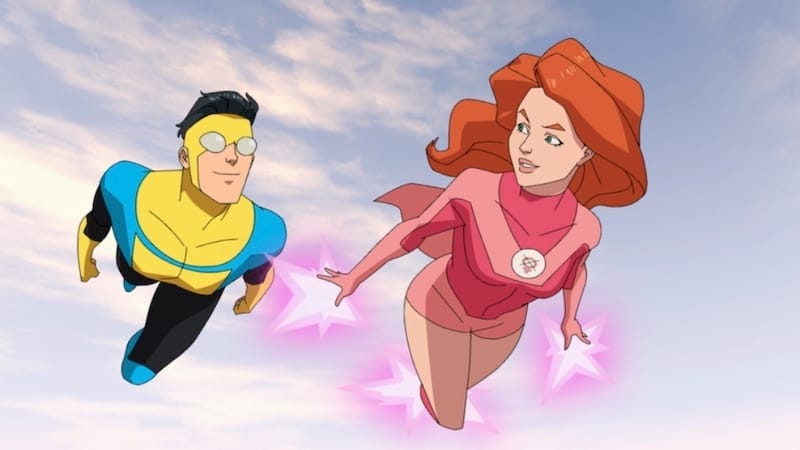
The Anticipation Builds: Telia's Invincible S2 Design Revealed
The highly anticipated return of Amazon Prime Video's Invincible for its second season has fans buzzing with excitement. As details slowly emerge, every new revelation sends waves through the dedicated fanbase. One such detail that has recently captured significant attention is the unveiling of Telia's character design for Invincible S2. This specific reveal has ignited conversations and speculation, particularly concerning potential shifts in artistic direction from the original comic book source material.
For those unfamiliar, Telia is a character within the vast and often brutal universe of Invincible. While perhaps not as central as Omni-Man or Atom Eve, every character's portrayal contributes to the intricate tapestry of the show. The new image circulating online, showcasing Telia's animated look, suggests a deliberate choice by the creators to potentially diverge from some of the more overtly sexualized elements present in the comics. This isn't just a minor tweak; it hints at a broader philosophical approach to character design in Invincible S2, prompting discussions about artistic integrity, fan expectations, and modern sensibilities in adaptation.
The "Telia Invincible" reveal is more than just a glimpse at a single character; it's a potential harbinger of the show's updated visual language and its commitment to storytelling over shock value. Fans are now eagerly dissecting every pixel, comparing it to Robert Kirkman's original artwork, and pondering what these changes could mean for other characters and the overall tone of the new season.
From Page to Screen: Decoding Telia's Invincible Character Design Changes
The buzz surrounding Telia's new look for Invincible S2 isn't merely about aesthetics; it's about the implied creative decisions behind the adaptation. The most prominent observation, echoed across various fan communities, suggests a conscious effort to "tone down the horniness of the comic art." This sentiment is often underscored by discussions around characters like Thraxa, an Antarian leader, whose comic book portrayal is notoriously busty, leading to comments like, "I guess don’t expect big ant titties on Thraxa." While the explicit language might be crass, the underlying point is significant: the animated series appears to be stepping away from the gratuitous sexualization of its female characters that was often a hallmark of the comic.
This decision, if consistent across the board, has substantial implications for how characters like Telia will be perceived. In comic books, artists often employ exaggerated features to convey power, villainy, or even just a distinct visual style. However, when translating these designs to an animated series for a broader, mainstream audience, creators often face a delicate balancing act. The medium of animation, especially for a streaming service aiming for wide appeal, often necessitates a different approach to character design, one that prioritizes narrative function and character development over potentially distracting or alienating visual elements.
For the "Telia Invincible" design, this could mean a shift towards a more pragmatic or realistic (within the confines of a superhero world) interpretation. It suggests the showrunners are focusing on Telia's role, her personality, and her contributions to the plot, rather than her physical attributes alone. This isn't to say that the comic art was solely about sexualization, but rather that the animated series is making a deliberate choice to adjust that balance.
Telia's Design: A Microcosm of a Broader Trend?
The apparent moderation in Telia's character design for Invincible S2 could be indicative of a wider trend in superhero adaptations, particularly those moving from print to screen. Modern audiences and critical discourse increasingly scrutinize the portrayal of female characters, pushing for designs that prioritize agency and depth over objectification. This isn't unique to Invincible; many adaptations have faced similar decisions, navigating fan expectations for fidelity against evolving societal norms and the demands of a new medium.
When creators adapt beloved source material, they inherit a legacy of established character designs. However, they also gain the opportunity to reinterpret and refine. For Invincible S2, this could mean a strategic decision to make the series more accessible and palatable to a diverse audience, potentially focusing on the intricate plot, intense action, and compelling character drama that are the true hallmarks of the Invincible universe. By potentially toning down certain aspects, the show might be aiming to elevate the narrative and emotional impact, ensuring that characters like Telia are remembered for their actions and personalities rather than just their visual presentation.
This approach often involves careful consultation and a deep understanding of what makes a character resonate. It's about preserving the essence of the "Telia Invincible" character while allowing her to evolve for the animated format. Such changes can often spark debate, but they also reflect a dynamic creative process that seeks to enhance the viewing experience.
Fan Expectations vs. Creative Vision: Navigating the Invincible Divide
The revelation of Telia's updated design inevitably brings to the forefront the perennial tension between fan expectations and creative vision. Long-time readers of the Invincible comics often have deeply ingrained ideas of how characters should look and behave, stemming from years of engagement with the source material. Any deviation, however subtle, can spark intense debate. Some fans might view these design changes as a betrayal of the original art, yearning for a faithful, panel-for-panel translation.
Conversely, many other fans, and arguably a significant portion of the new audience drawn in by the animated series, might welcome such changes. They might appreciate a more nuanced approach to character design, especially if it leads to a more engaging and less objectifying portrayal. The streaming landscape has changed significantly since the comics were first published, and what resonated then might not resonate as effectively now, especially with a broader target demographic that includes younger viewers and families.
For the creators of Invincible S2, navigating this divide is a tightrope walk. They must strive to honor the spirit of Robert Kirkman's original work while simultaneously making artistic choices that enhance the animated experience and resonate with contemporary audiences. It's a testament to the show's quality that such discussions are even happening; it shows how deeply invested viewers are in the world of Invincible. As viewers, it's beneficial to approach adaptations with an open mind, recognizing that different mediums have different strengths and limitations. The animated series isn't merely a direct copy; it's an interpretation, a new lens through which to experience the incredible story of Telia and the wider Invincible universe.
Beyond Aesthetics: What These Design Choices Mean for Invincible S2
The design choices for characters like Telia in Invincible S2 extend far beyond mere aesthetics; they carry significant implications for the show's overall tone, narrative focus, and target audience. If the apparent "toning down" of sexualized designs is a consistent theme, it could signal a deliberate move by the creative team to emphasize the more serious, character-driven, and emotionally resonant aspects of the Invincible story. The comic series is renowned for its brutal action, complex moral dilemmas, and deeply personal struggles, and perhaps the show aims to foreground these elements without visual distractions.
This approach could allow for deeper exploration of character motivations and relationships. For instance, if Telia's design is less about overt sex appeal, it encourages viewers to focus more on her interactions, her role in any upcoming conflicts, and her personality. This can lead to a richer, more engaging narrative experience, where character development takes precedence over superficial visual gags or fan service. It also potentially broadens the show's appeal, making it more comfortable for a wider range of viewers, including those who might be turned off by overly sexualized content.
Ultimately, these design choices could be a strategic move to ensure Invincible S2 maintains its critical acclaim and strong viewership, proving that a compelling story, intricate plot, and well-developed characters are the true pillars of its success. The "Telia Invincible" reveal, therefore, is not just about one character's look but about the refined artistic vision guiding the entire second season, promising a mature yet thoughtful continuation of the beloved saga.
Conclusion
The unveiling of Telia's character design for Invincible S2 has provided a fascinating glimpse into the evolving creative direction of the acclaimed animated series. The strong indications of a deliberate shift away from some of the more overtly sexualized elements of the comic art suggest a thoughtful approach to adapting the source material for a contemporary streaming audience. This decision highlights the intricate balance between honoring established fan expectations and implementing a modern creative vision.
As fans eagerly await the full release of Invincible S2, these early design revelations, particularly concerning "Telia Invincible," provoke important conversations about character portrayal, the impact of adaptation choices, and the priorities of storytelling in animated superhero narratives. Regardless of individual preferences, these choices underscore a commitment to crafting a compelling and impactful series that resonates with a broad and diverse audience, ensuring the focus remains on the incredible story and complex characters that define the Invincible universe.